
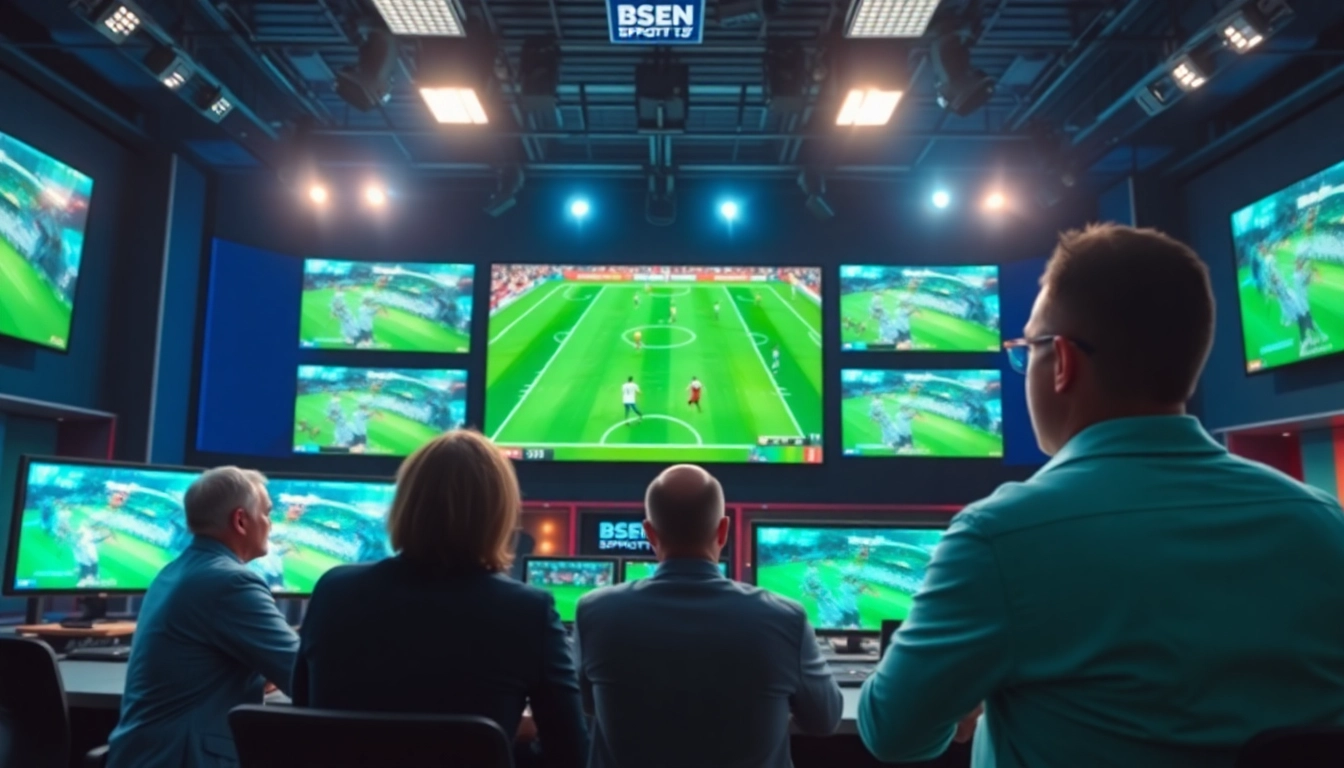
Understanding the Landscape of Sports Broadcasting
What is Sports Broadcasting?
Sports Broadcasting refers to the dissemination of sports content through various media, including television, radio, and online platforms. It encompasses live event coverage, sports analysis, commentary, and discussions. As a form of entertainment, it connects fans with their favorite sports and players, creating shared experiences that extend beyond the playing field. The rise of Sports Broadcasting has transformed how audiences consume content, making it an essential component of the modern sports industry.
History and Evolution of Sports Broadcasting
The origin of sports broadcasting can be traced back to the early 20th century when radio became a popular medium. In the 1920s, radio broadcasts of significant sports events, like the World Series, began to captivate audiences. This was soon followed by television broadcasts in the 1930s, which further expanded the reach of sports content. Over the decades, advances in technology have continually shaped the landscape of sports broadcasting, from black-and-white TV broadcasts to high-definition streaming, significantly enhancing viewer engagement.
By the turn of the century, the advent of the internet created new avenues for broadcasting, leading to the proliferation of online streaming services and digital platforms. Today, regional sports networks, international collaborations, and platforms like social media increasingly play roles in how sports are consumed, ensuring that sports content is more accessible than ever before.
Key Components of Effective Sports Broadcasting
Effective sports broadcasting relies on several key components:
- Production Quality: High-definition visuals, clear audio, and professional editing are essential to engaging viewers.
- Commentary: Insightful and dynamic commentary enhances viewer understanding and enjoyment, providing context and analysis.
- Broadcaster Expertise: Knowledgeable commentators and analysts contribute to informed discussions, elevating the viewing experience.
- Interactive Elements: Engaging audiences through social media, audience polls, and live Q&As make broadcasts more interactive.
- Tailored Programming: Addressing the interests of diverse audiences allows broadcasters to reach broader demographics, catering to various preferences.
Impact of Technology on Sports Broadcasting
Innovative Technologies in Sports Broadcasting
Technological advancements have greatly enhanced the quality and accessibility of sports broadcasting. Innovations such as ultra-high-definition (UHD) and 360-degree video provide immersive experiences, allowing fans to engage with their favorite sports in new ways. Additionally, tools like augmented reality (AR) and virtual reality (VR) have begun to play prominent roles in live sports, offering enhanced visualizations of key statistics and insights into player performance.
How Streaming Services are Changing Sports Broadcasting
Streaming services have revolutionized the sports broadcasting industry by providing flexible viewing options for audiences. These platforms allow fans to watch games on demand, enabling them to consume content that fits their schedules. This shift has challenged traditional broadcasting models and encouraged networks to adapt their strategies. Many traditional broadcasters are now partnering with streaming services to expand their reach and offer unique content. The flexibility of streaming services also means that niche sports have a platform to flourish.
The Role of Social Media in Sports Broadcasting
Social media has become integral to sports broadcasting, merging live events with digital engagement. Platforms like Twitter, Facebook, and Instagram provide real-time updates, create discussions, and offer behind-the-scenes content that enriches the viewing experience. Fans can interact directly with athletes and teams, enhancing the connection between them and the sports they love. Additionally, social media advertising has allowed sports broadcasters to target specific demographics, increasing engagement and driving viewership.
Creating Compelling Content for Sports Broadcasting
Storytelling Techniques in Sports Broadcasting
Storytelling is at the heart of sports broadcasting. Effective narratives create emotional connection and resonance with audiences. Broadcasters should focus on key elements such as character development, conflict, and resolution, whether they’re discussing player backgrounds, team histories, or pivotal game moments. Engaging storylines enhance viewer interest and encourage them to tune in regularly to follow developments. Techniques like personal interviews and archival footage can also bring depth to stories, providing context and background that enriches the audience’s understanding.
Programming Strategies for Diverse Audiences
Sports broadcasters face the challenge of catering to increasingly diverse audience demographics. Strategies for addressing this include creating specialized programming that focuses on different interests, such as women’s sports, eSports, or youth leagues. Additionally, broadcasters can use analytics to understand audience preferences better, tailoring their offerings accordingly. By prioritizing inclusivity, broadcasters can expand their potential audience base while enhancing engagement among niche groups.
Best Practices in Sports Commentary
Commentary is a vital component of sports broadcasting that can either enhance or detract from the viewer’s experience. Key best practices include:
- Preparation: Broadcasters should be well-versed in the sport, teams, and players, equipping them for insightful analysis.
- Clarity: Commentary should be clear and concise, avoiding jargon that could alienate casual fans.
- Enthusiasm: Passionate delivery resonates with viewers, effectively conveying the excitement of the moment.
- Balance: While personal opinions can enrich commentary, maintaining objectivity ensures credibility and balanced storytelling.
- Active Listening: Engaging with co-commentators and responding to live developments enhances the flow of the commentary.
Measuring Success in Sports Broadcasting
Key Performance Indicators for Sports Broadcasting
Measuring success in sports broadcasting involves various key performance indicators (KPIs). Metrics such as viewership ratings, subscriber counts, social media engagement, and audience feedback provide valuable insights into the effectiveness of broadcasting strategies. KPIs also help identify peak viewership times and preferred content types, allowing broadcasters to maximize their reach.
Viewership Metrics: What You Need to Know
Understanding viewership metrics is crucial for assessing a sports broadcast’s performance. Metrics often include:
- Average Viewership: Refers to the number of viewers during a specific time frame.
- Cumulative Audience: The total number of unique viewers over an entire event.
- Time Spent Watching: Measures how long viewers stay engaged throughout the broadcast.
Evaluating these metrics helps broadcasters and sponsors gauge the effectiveness of their strategies, making informed decisions based on viewer behavior.
Analyzing Engagement through Feedback and Ratings
Feedback and ratings are essential for understanding audience engagement. Surveys, social media interactions, and online reviews provide direct insights into viewer preferences and areas for improvement. Ratings can affect advertising revenue, sponsorship deals, and partnerships, making audience satisfaction vital for financial success.
The Future of Sports Broadcasting
Emerging Trends in Sports Broadcasting
The future of sports broadcasting is promising, characterized by evolving technologies and shifting viewer expectations. As artificial intelligence (AI) and machine learning become more prevalent, broadcasters will harness data analytics for personalized viewing experiences. Enhanced graphics, alternative camera angles, and interactive content will lead to more engaging broadcasts. Moreover, the demand for on-demand content will likely increase, prompting further innovation in streaming and broadcasting formats.
Potential Challenges in Sports Broadcasting
Despite its bright future, the sports broadcasting industry faces potential challenges. Increased competition from streaming platforms and digital content creators means traditional broadcasters must continuously reinvent themselves. Issues regarding intellectual property, rights acquisition, and the saturation of sports programming may pose significant hurdles as well. Addressing these challenges proactively and adapting to market demands will be crucial for sustainability in the industry.
Preparing for the Future of Sports Broadcasting
To prepare for the future, sports broadcasters should invest in technology and talent. Embracing adaptable business models, including partnerships with tech companies and content creators, can ensure responsiveness to audience trends. Additionally, continuous professional development and onboarding of diverse team members can enhance innovation and creative thought. As the landscape continues to evolve, staying attuned to audience desires and technological advancements will position sports broadcasters for enduring success.
Frequently Asked Questions (FAQs)
What is Sports Broadcasting?
Sports Broadcasting involves disseminating sports-related content through various media channels, connecting fans with games, analysis, and commentary.
How has technology impacted Sports Broadcasting?
Technology has improved production quality, introduced streaming services for flexible viewing, and enhanced engagement through interactive features.
What are some effective storytelling techniques in Sports Broadcasting?
Using character development, conflict, resolution, and personal interviews can create compelling narratives that engage viewers emotionally.
What key performance indicators are important in Sports Broadcasting?
Viewership ratings, audience feedback, social media engagement, and subscriber counts are essential KPIs to evaluate the effectiveness of broadcasts.
What does the future hold for Sports Broadcasting?
The future includes emerging technologies, personalized content experiences, and challenges from new competitors, requiring adaptation and innovation.